HDPE Film
What is HDPE Film?
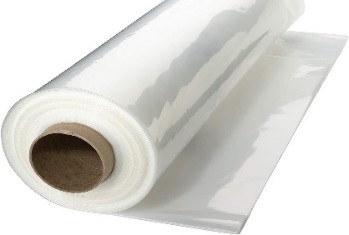
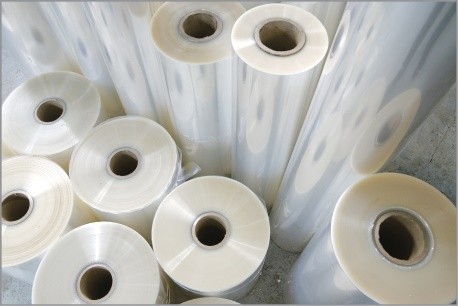
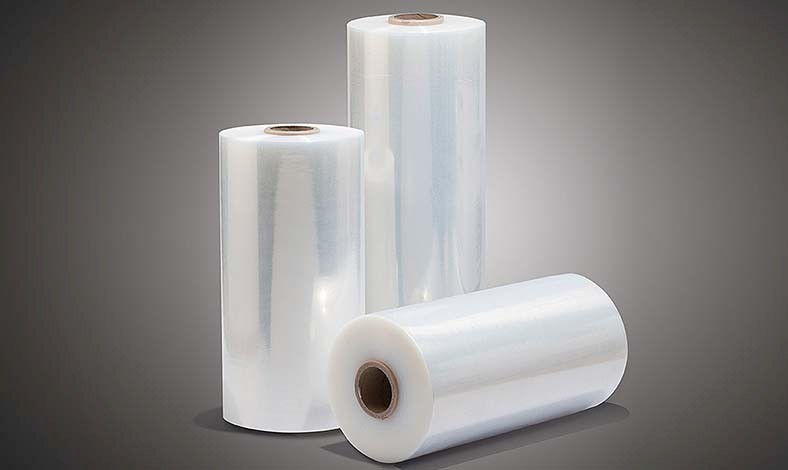
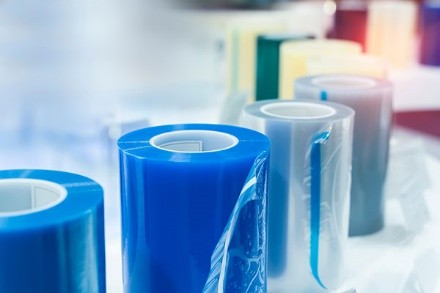
High-Density Polyethylene (HDPE) film is a robust plastic film made from HDPE, a thermoplastic known for its high strength-to-density ratio and excellent chemical resistance. Unlike its lower-density cousins, HDPE has a more crystalline structure, which imparts rigidity and durability. HDPE film is widely used in applications that demand toughness and a reliable barrier against chemicals and moisture, from industrial packaging to agricultural liners.
Some of the standout characteristics of HDPE film include
- Exceptional Strength: Its high tensile strength makes it ideal for applications requiring durability.
- Chemical and UV Resistance: HDPE’s robust structure resists degradation from chemicals and prolonged UV exposure (when properly stabilized).
- Moisture Barrier: Excellent at preventing moisture ingress, HDPE film is a trusted choice for protective liners.
- Cost-Effective: With efficient production techniques, HDPE film provides a balance of performance and affordability for mass-market applications.
Production Process of HDPE Film
HDPE film is primarily produced using advanced extrusion techniques. Two key processes are typically employed: blown film extrusion and, less commonly, cast film extrusion. Here’s an overview of each method:
Blown Film Extrusion
Process Overview: In the blown film extrusion process, HDPE pellets are first fed into an extruder where they are melted and homogenized. The molten polymer is then forced through a circular die, creating a tubular film. Air is introduced into the tube (a process called “blowing”), which expands the film to the desired thickness.
Key Advantages:
- Uniformity: The blowing process produces films that offer consistent thickness and excellent strength.
- Enhanced Barrier Properties: The controlled stretching allows the molecular chains to orient, improving barrier properties against moisture and chemicals.
- Commercial Scale: Blown film extrusion is widely used due to its efficiency and scalability for producing large quantities of film.
Cast Film Extrusion
Process Overview: In cast film extrusion, the molten HDPE is extruded through a flat die onto a moving chill roll. As the film cools rapidly, it solidifies into a flat sheet.
Key Advantages:
- Surface Finish: Cast films tend to have a smoother surface and can display improved optical properties.
- Dimensional Control: This method allows for precise control over film thickness, which can be critical for niche applications.
Due to HDPE’s highly crystalline nature, blown film extrusion is more commonly used than cast film extrusion. However, certain applications that demand a high-quality surface finish may still utilize the cast film method.
Key Properties of HDPE Film
HDPE film stands apart from other polymer films due to several key properties that make it suitable for rigorous applications:
- High Tensile Strength: The crystalline structure of HDPE offers excellent resistance to tearing and stretching, making it perfect for heavy-duty packaging.
- Chemical Resistance: HDPE film resists attack from many acids, alkalis, and organic solvents, ensuring longevity even in hostile environments.
- Moisture Barrier: Its dense molecular structure provides a top-notch barrier against moisture, which is essential for protecting perishable goods or hazardous materials.
- UV Stabilization: When formulated with UV inhibitors, HDPE film maintains its strength and appearance even after prolonged exposure to sunlight—ideal for outdoor applications like geomembranes or greenhouse liners.
- Environmental Robustness: Resistant to low temperatures and varying climatic conditions, HDPE film is a reliable material choice across diverse industries.
Applications of HDPE Film
Given its robust nature, HDPE film is employed in a wide range of sectors. Here are some of its most common applications:
- Industrial Packaging
HDPE film is frequently used as a component in industrial packaging due to its strength and chemical resistance. It serves as a protective barrier in:
- Pallet Covers: Shielding loads from moisture and contamination.
- Protective Liners: Safeguarding equipment and products during storage and transit.
- Agricultural Uses
In agriculture, HDPE film is employed to increase the efficiency and durability of farming operations:
- Greenhouse Liners: Maintaining a controlled environment for plant growth.
- Mulch Films: Conserving soil moisture and suppressing weed growth, leading to better crop yields.
- Construction & Infrastructure
HDPE film has significant applications in the construction industry, particularly as geomembranes or liners:
- Landfill Liners: Acting as a barrier to prevent leachate leakage.
- Waterproofing Membranes: Protecting structures from water penetration, thus enhancing the durability of buildings and roads.
- Consumer Goods
Although HDPE film is more common in industrial settings, it is also found in select consumer applications where durability is paramount:
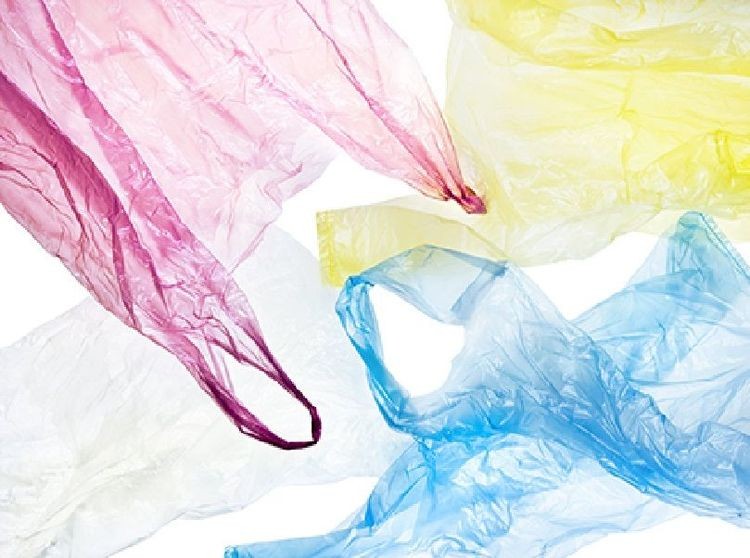
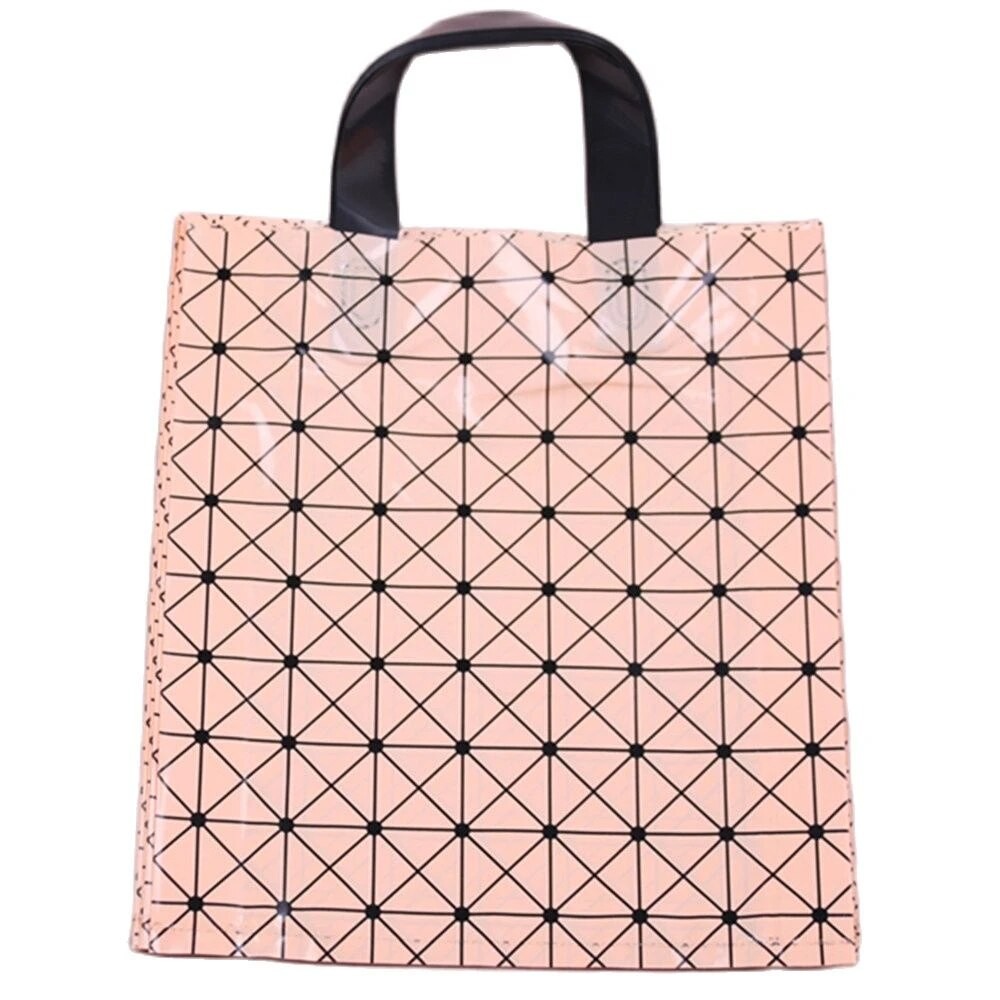
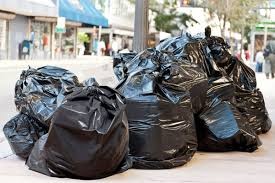
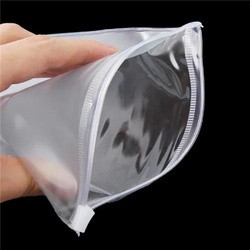
- Reusable Bags: Sturdy shopping bags that can withstand heavy use.
- Protective Covers: For outdoor equipment and furniture, ensuring long-lasting protection.
Quick Reference Table
Application Area | Key HDPE Film Benefit | Example Products |
Industrial Packaging | High strength, moisture barrier | Pallet covers, protective liners |
Agriculture | UV resistance, durability | Greenhouse liners, mulch films |
Construction & Infrastructure | Chemical resistance, waterproofing | Landfill liners, waterproof membranes |
Consumer Goods | Robustness, reusability | Reusable shopping bags, outdoor covers |