HDPE Rotational
What Is HDPE Rotational Molding?
HDPE rotational molding (often called HDPE rotomolding) is a manufacturing process designed to create hollow and seamless products from High-Density Polyethylene. In this technique, powdered HDPE is placed inside a mold that slowly rotates on multiple axes. The mold is then heated so the HDPE powder melts and evenly coats the interior surface, forming a continuous, uniform layer. Once cooled, the HDPE solidifies into a robust, lightweight product with consistent wall thickness.
Unlike other molding processes, HDPE rotational molding offers the flexibility to produce large, intricate, hollow items while keeping tooling costs low—a method particularly attractive for both small-scale and high-volume production.
The HDPE Rotational Molding Process
The rotational molding process for HDPE is distinctive due to its simplicity and flexibility. Here’s an overview of its key stages:
Mold Preparation and Charging
- Mold Cleaning:
The mold is thoroughly cleaned and preheated, ensuring an even coating and easy part ejection. - Adding HDPE Powder:
A measured amount of HDPE powder is introduced into the mold. The powder’s fine consistency helps it distribute uniformly as the process continues.
Heating and Rotation
- Multi-Axis Rotation:
The mold is slowly rotated along two or more axes (typically in both vertical and horizontal directions). This dual rotation ensures the HDPE powder melts and flows evenly onto all interior surfaces. - Heating:
The rotating mold enters an oven, where controlled heat causes the HDPE powder to fuse. This step creates a continuous film inside the mold with a uniform thickness.
Cooling and Solidification
- Controlled Cooling:
After the polymer has fully melted and formed the desired layer, the mold is cooled—either by natural ambient cooling or using a cooling system. This gradual cooling allows the HDPE to solidify while minimizing internal stresses or warping.
Ejection and Finishing
- Part Ejection:
Once fully cooled, the mold is opened and the finished part is removed. - Finishing Touches:
Minor finishing operations—such as trimming flash (excess material) along parting lines—ensure a clean, final product.
Key Advantages of HDPE Rotational Molding
HDPE rotational molding offers several significant benefits, including:
- Design Flexibility:
It can produce large, complex, and hollow products with uniform wall thickness—even parts that would be challenging or expensive to manufacture using injection molding or extrusion.
- Low Tooling Costs:
Compared to other molding techniques, rotational molding requires relatively inexpensive molds, making it ideal for low- to medium-volume production or prototypes.
- Seamless Construction:
The process produces parts without weld lines or joints, resulting in enhanced structural integrity and improved resistance to leakage or contamination.
- Minimal Material Waste:
Nearly all of the HDPE powder used is incorporated into the final product, reducing waste and improving cost efficiency.
- Versatile Applications:
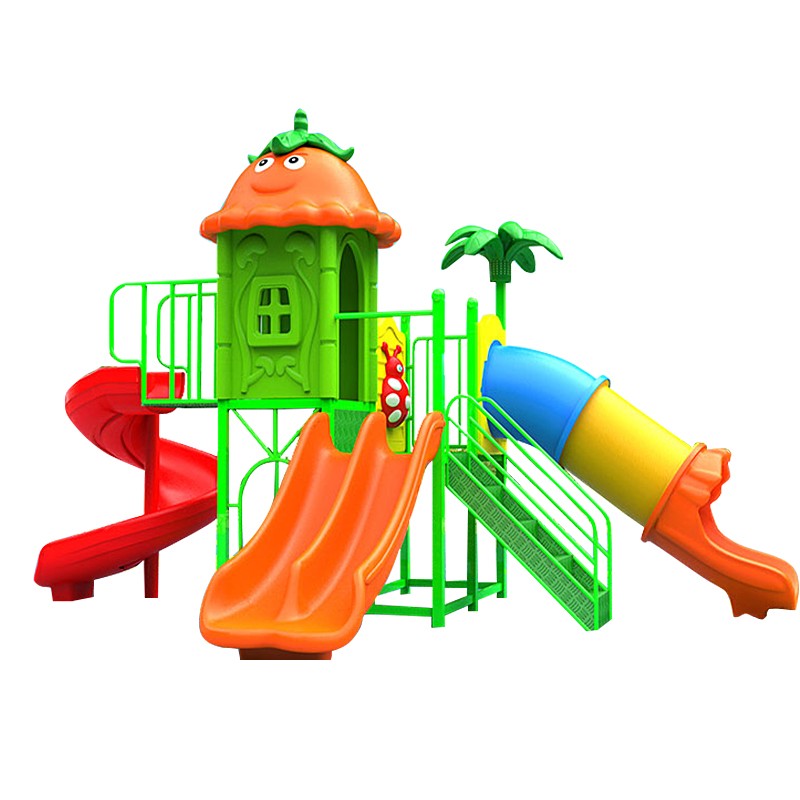
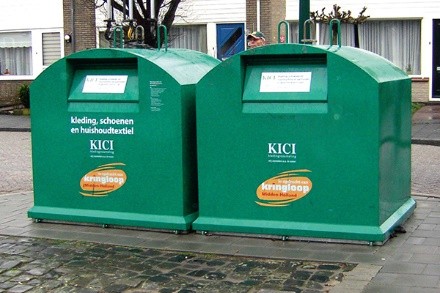
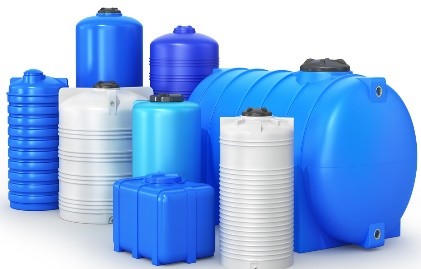
HDPE rotomolding is used in a variety of sectors—from industrial storage tanks and playground equipment to automotive components and custom-designed consumer goods.
Applications of HDPE Rotational Molding
The unique characteristics of HDPE rotational molding make it well-suited for many different industries. Common applications include:
- Agricultural and Industrial Tanks:
Storage tanks for water, chemicals, or fuels that require resistance to chemicals and weather conditions.
- Consumer Goods:
Products like kayaks, coolers, and recreational equipment benefit from the strength and durability of HDPE.
- Construction Components:
Parts such as large, hollow panels, liners for landfills, and waterproof membranes used in infrastructure.
- Playground and Sports Equipment:
Robust, weather-resistant items like playground equipment that provide safety and longevity in harsh outdoor environments.
Quick Reference Table
Application Area | Key Benefit | Example Products |
Agricultural/Industrial | Chemical resistance, durability | Storage tanks, industrial bins |
Consumer Goods | Impact resistance, lightweight design | Kayaks, coolers, recreational gear |
Construction | Waterproofing, structural integrity | Liners, geomembranes, panels |
Playground & Sports | Weather resistance, safety | Outdoor play equipment |