HDPE Pipe
What Is HDPE Pipe?
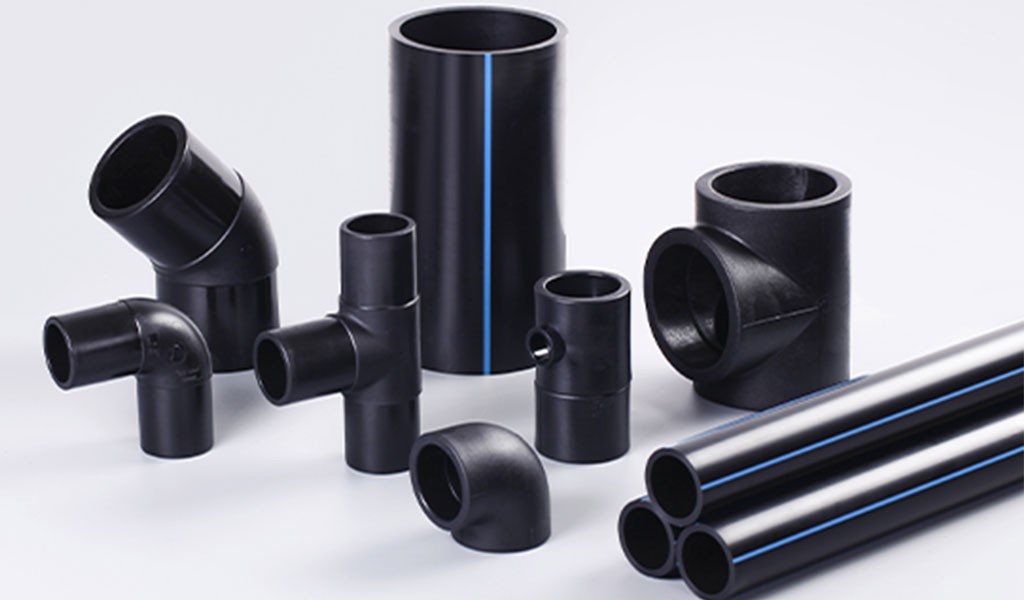
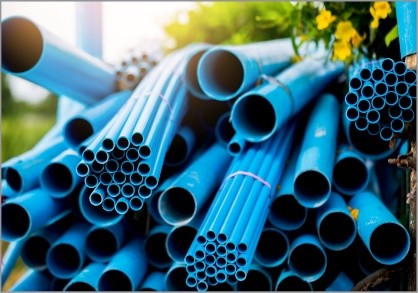
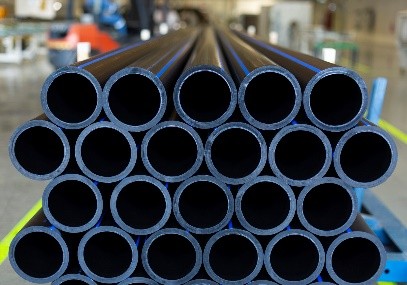
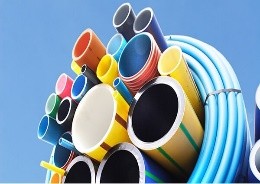
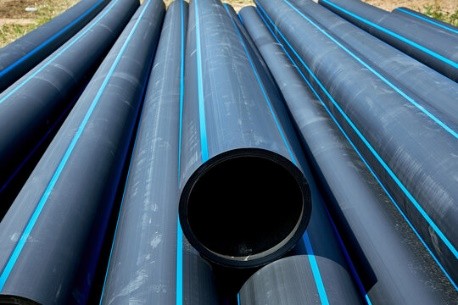
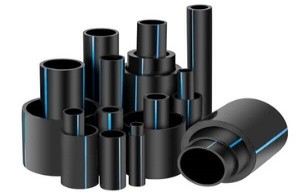
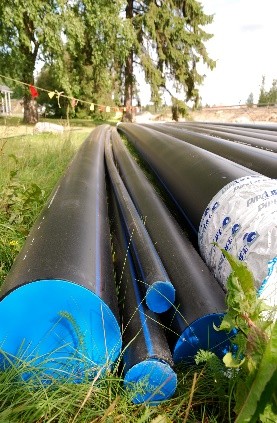
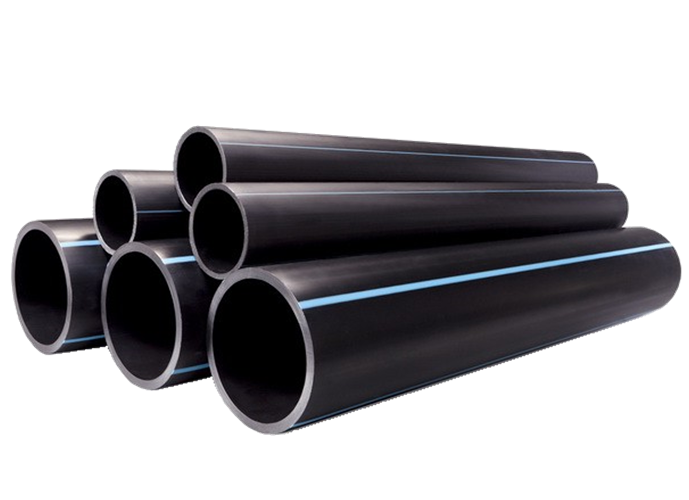
HDPE pipe is constructed from High-Density Polyethylene, a thermoplastic known for its exceptional strength-to-density ratio, corrosion resistance, and durability. Unlike metal pipes, HDPE pipes are lightweight, flexible, and resistant to many chemicals, making them ideal for a wide range of applications—from water and gas distribution to agricultural irrigation and industrial piping.
Key Attributes of HDPE Pipe
- Durability: Resistant to impact, abrasion, and harsh chemicals.
- Corrosion Resistance: Unlike metal pipes, HDPE does not rust or corrode, extending its service life.
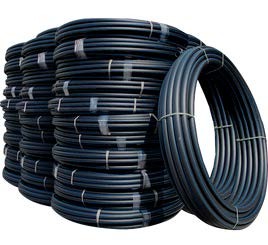
- Flexibility: Offers excellent flexibility, allowing for easier installation in challenging terrains.
- Leak-Proof: When fused using heat, HDPE pipes form a seamless joint, ensuring minimal leakages.
- Cost-Effectiveness: Lower installation and maintenance costs compared to traditional piping materials.
The Production Process: Extrusion to Final Product
HDPE pipes are mainly produced using the extrusion process. Understanding the step-by-step journey from raw polymer pellets to a finished HDPE pipe can help appreciate the engineered quality behind these vital conduits.
Material Preparation
- Pellet Selection and Drying:
HDPE pellets are selected based on quality requirements. They are pre-dried to remove moisture, which can otherwise cause defects during extrusion. - Pre-Melting Conditioning:
The dried pellets are fed into an extruder. They are uniformly heated and melted, ensuring the polymer achieves a homogenous consistency before the forming process begins.
Extrusion Process
- Extrusion Through a Die:
The molten HDPE is forced through a circular die specially designed to create pipes. The diameter and wall thickness are controlled by the die and the puller system downstream. - Shaping the Pipe:
As the molten HDPE exits the die, it begins to take shape as a continuous tube. Vacuum calibration may be used to maintain the pipe’s shape and diameter before cooling.
Cooling and Solidification
- Cooling Bath:
The extruded pipe passes through a cooling bath or a system of air coolers. The controlled cooling process ensures that the molecular structure is set properly, providing HDPE pipe with its characteristic strength and uniformity. - Cutting and Finishing:
Once cooled and solidified, the continuous pipe is cut into the desired lengths. Further operations like beveling or flaring might be conducted to prepare the pipe for joining or installation.
Key Properties and Advantages of HDPE Pipe
HDPE pipe stands out for multiple reasons that make it a preferred material in various fluid transportation systems:
- High Tensile Strength & Durability:
The intrinsic strength of HDPE ensures that the pipe can withstand high pressures and external loads, even in extreme conditions.
- Chemical and Corrosion Resistance:
Resistant to a wide range of chemicals, acids, and bases, HDPE pipes are ideal for transporting corrosive fluids without degradation.
- Flexibility and Impact Resistance:
HDPE pipes can endure ground movement, impact forces, and vibrations, making them well-suited for earthquake-prone or high-impact areas.
- Seamless Joints:
Using techniques like heat fusion, HDPE pipes can create seamless junctions, which reduce the risk of leakage and extend the lifecycle of the piping system.
- Lightweight and Easy to Install:
Their lower weight compared to metal or concrete pipes contributes to faster installation and lower transportation costs.
- Long-Term Cost Savings:
The durability and low-maintenance nature of HDPE pipes result in overall cost savings over their service life.
Applications of HDPE Pipe
HDPE piping finds applications across broad sectors due to its remarkable performance characteristics. Here are some prominent examples:
- Water and Gas Distribution
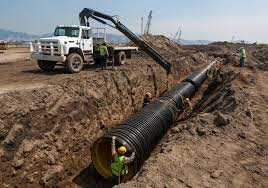
HDPE pipes are extensively used in urban water supply networks and gas distribution systems. Their resistance to corrosion and leakage makes them ideal for transporting drinking water, wastewater, and natural gas reliably.
- Industrial Piping Systems
Industries rely on HDPE pipes for their ability to transport chemical products, slurry, and other potentially corrosive liquids. They are also utilized in mining and oil and gas production due to their resilience and durability.
- Agricultural Irrigation
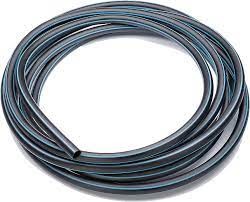
The flexibility and light weight of HDPE pipes make them perfect for agricultural applications, particularly in irrigation systems. Their resistance to weather conditions ensures crop fields have a steady supply of water.
- Sewer and Drainage Systems
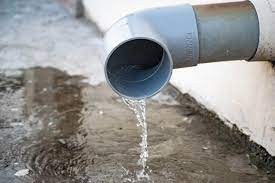
HDPE pipes’ ability to form leak-proof joints is critical in sewer systems and drainage networks where preventing infiltration and exfiltration is essential to maintaining system integrity.
- Electrical and Telecommunications Conduits
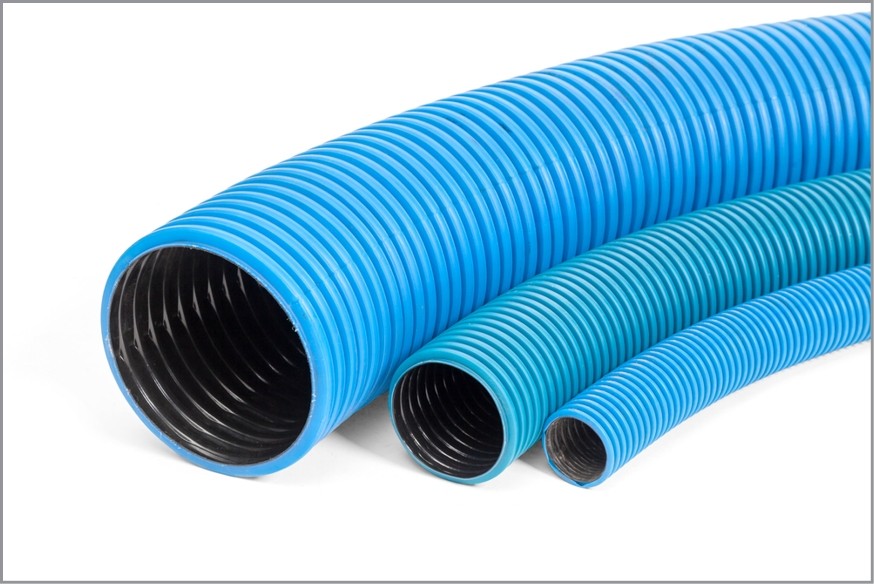
Beyond fluid transport, HDPE pipes are also used as protective conduits for electrical cables and telecommunications wiring. Their resistance to moisture and physical damage helps safeguard critical infrastructure.
Quick Reference Table
Application Area | Key Benefit of HDPE Pipe | Example Products/Systems |
Water/Gas Distribution | Leak-proof, chemical resistance | Drinking water mains, natural gas pipelines |
Industrial Applications | Durability, corrosion resistance | Chemical transport, slurry pipes |
Agricultural Irrigation | Flexibility, ease of installation | Irrigation systems, drip lines |
Sewer/Drainage Systems | Seamless joints, long service life | Municipal sewer mains, drainage pipelines |
Cable Conduit | Environmental protection, durability | Electrical, telecommunications conduits |