HDPE Injection
What Is HDPE Injection Molding?
High-Density Polyethylene (HDPE) injection molding is a highly efficient manufacturing process that transforms molten HDPE into complex and precise shapes. HDPE, known for its toughness, chemical resistance, and durability, is an ideal candidate for injection molding—a process that injects the melted polymer into a specially designed mold to produce parts with consistent quality and intricate details.
HDPE injection molding is renowned for its ability to produce high-volume, uniform parts while reducing material waste and production time, making it a favorite among manufacturers in industries ranging from automotive components to consumer goods.
The HDPE Injection Molding Process: A Step-by-Step Look
The injection molding process for HDPE involves several carefully controlled steps, each contributing to the creation of a high-quality molded part. Here’s a breakdown of each stage in the process:
1. Material Preparation
- Pellet Drying:
HDPE pellets are dried to remove any moisture. Moisture can adversely affect the molding process by causing defects like porosity or voids in the final product. - Preheating:
The dried pellets are then preheated to an optimal processing temperature to ensure smooth melting.
2. Melting and Injection
- Melting:
The preheated HDPE pellets are fed into the injection molding machine’s barrel where they are melted into a homogenous liquid. - Injection:
The molten HDPE is then injected under high pressure into a precision-engineered mold. This step ensures the material takes the exact shape of the mold cavity with intricate details and consistent dimensions.
3. Cooling and Solidification
- Cooling in the Mold:
Once the mold is filled, the HDPE is allowed to cool. The cooling phase is crucial because it solidifies the polymer into the final part shape while maintaining its structural integrity. - Cycle Optimization:
Effective cooling techniques reduce cycle times, which is important for efficient mass production.
4. Ejection and Finishing
- Ejection:
After cooling, the molded part is ejected from the mold using ejector pins. - Finishing Operations:
Any excess material or flash—commonly formed where the mold halves meet—is removed. Additional finishing processes like trimming or surface treatment may be performed to achieve the desired final product quality.
Key Benefits of HDPE Injection Molding
Using HDPE in injection molding provides several advantages that make it particularly attractive to manufacturers:
- Design Precision:
Injection molding of HDPE allows the creation of parts with complex geometries and tight tolerances, ensuring high-quality products with consistent performance.
- Material Efficiency:
The process minimizes waste, as nearly all of the injected material becomes part of the final product.
- High Production Rates:
Once the mold is created, injection molding is exceptionally fast, enabling high-volume production without compromising on quality.
- Enhanced Durability:
HDPE’s high strength-to-density ratio, coupled with excellent chemical resistance, makes the molded parts ideal for demanding applications—from automotive components to robust consumer products.
- Cost-Effectiveness:
The capacity for rapid, repeatable production and the relatively low cost of HDPE combine to offer a very cost-effective manufacturing solution.
Applications of HDPE Injection Molding
HDPE injection molding is widely used across various industries. The unique properties of HDPE, combined with the precision of injection molding, enable the production of diverse products. Some common applications include:
- Automotive Parts:
Components such as fuel tanks, interior trim, and under-hood parts that benefit from HDPE’s chemical resistance and durability.
- Consumer Goods:
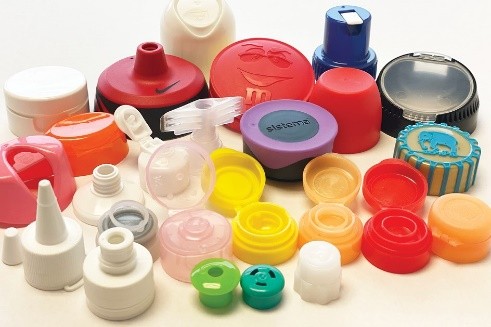
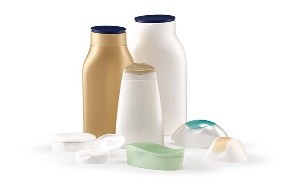
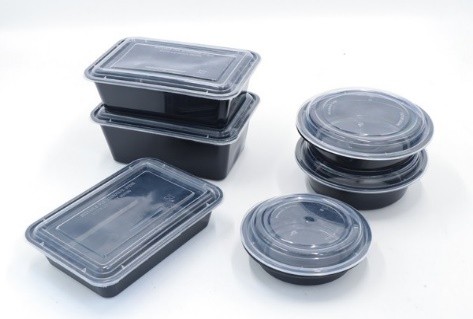
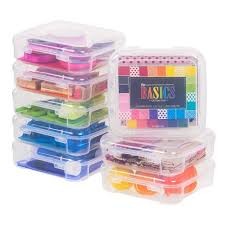
Household items like containers, kitchen tools, and storage solutions that require both robustness and precise dimensions.
- Industrial Components:
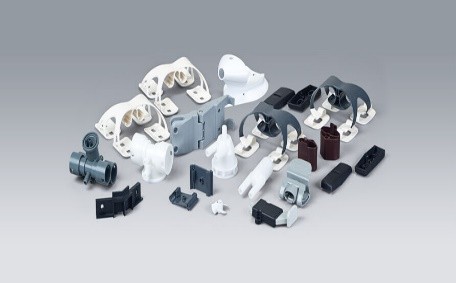
Parts used in machinery, fittings, and components that require resistance to wear, chemicals, and various environmental conditions.
- Medical Devices:
Certain non-critical medical devices and components are produced using HDPE injection molding due to its stability and ease of sterilization.
Quick Reference Table
Industry | Application Example | Key Benefit |
Automotive | Fuel tanks, interior trim | Chemical resistance, durability |
Consumer Goods | Storage containers, tools | Design precision, cost efficiency |
Industrial | Fittings, machinery parts | High strength, wear resistance |
Medical | Non-critical components | Stability, ease of sterilization |